Affiliate disclosure: This article contains affiliate links. If you sign up through one of these links, we receive a commission at no extra cost to you.
Choosing a betting tipster can be harder than it first appears. There are plenty of services showing impressive profit figures, strong strike rates and eye-catching results, but those numbers rarely tell the whole story on their own.
A good tipster needs to be more than profitable on paper. The odds have to be realistic, the staking needs to suit your bank, the frequency has to fit your routine and, just as importantly, you need to be comfortable with the way the service actually bets.
In this guide, I’ll go through the main things I look for when assessing a betting tipster, from long-term results and ROI through to odds availability, drawdowns, cost and how easy the service is to follow.
Start With the Long-Term Track Record
The first thing I would look at is how long the tipster has been operating and how many bets are included in the results.
A strong month is nice to see, but it doesn’t tell you much on its own. Betting results can swing around considerably over short periods, so a longer track record gives you a better idea of how the service has performed through both winning and losing spells.
Ideally, you want to see results covering a meaningful number of bets rather than a handful of selections that happened to land. The more evidence you have, the easier it is to judge whether the performance looks sustainable.
It is also worth checking whether the results are broken down clearly by month or year. That makes it much easier to see whether the profit has been relatively consistent or whether most of it came from one exceptional run.
Look Beyond the Headline Profit
Profit is obviously important, but the headline figure can be misleading without some context.
A service showing £10,000 profit might sound impressive, but that number means very little until you know the stakes involved. If the tipster was staking hundreds of pounds per bet, the return may be less impressive than it first appears.
This is one reason I prefer looking at results in points. If a tipster has made 100 points, you can apply that to your own staking level rather than being distracted by a large cash figure.
It is also worth looking at how many bets were required to generate that profit. Making 50 points from 500 bets tells you something very different from making the same amount from 5,000.
Check the ROI, Strike Rate and Average Odds
Profit should never be looked at in isolation. ROI, strike rate and average odds can give you a much clearer picture of how a service actually performs.
ROI, or return on investment, shows how much profit has been made in relation to the total amount staked. A high profit figure with a very low ROI may indicate that a huge volume of money had to be turned over to generate it.
Strike rate tells you how often the selections win, but a higher strike rate is not automatically better. A tipster backing short-priced favourites should naturally win more often than one regularly betting at 8/1 or 10/1.
That is why average odds matter too. Strike rate and average price need to be considered together if you want to understand the type of results you are looking at.
Can You Actually Get the Advised Odds?
This is one of the most important things to check, and it is something that can easily be overlooked.
A tipster may show excellent results at advised prices, but those numbers are not much use if subscribers rarely have the chance to get those odds themselves.
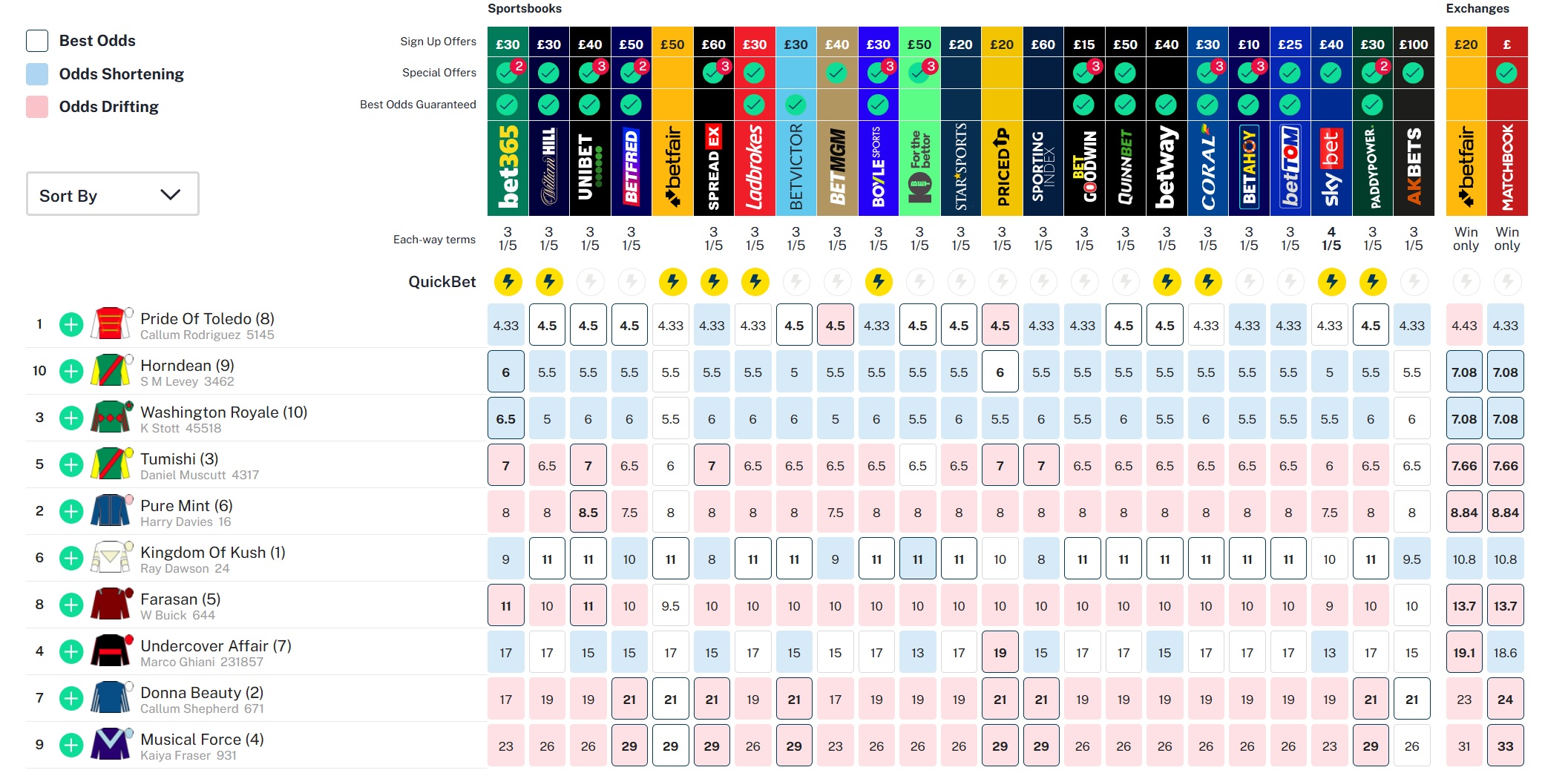
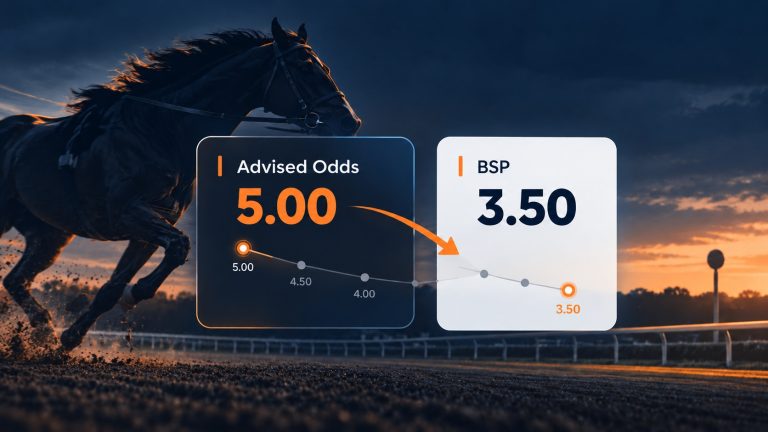
Some prices move very quickly after a tip is released, particularly in horse racing and smaller betting markets. If a selection is advised at 10/1 but most subscribers can only get 7/1 by the time they see it, the real-world results could end up looking very different.
I like to see whether a service records the actual advised price, which bookmakers offered it and, where relevant, how the result compares with something like Betfair Starting Price.
Odds availability matters because even fairly small differences can add up over hundreds of bets, particularly when you’re trying to consistently find value in the market.
Look at the Betting Bank and Staking Plan
Before joining a tipster, you need to know how much money is realistically required to follow the service.
Most tipsters will recommend a betting bank and use points rather than fixed cash stakes. For example, a 100-point bank with £10 per point would mean setting aside £1,000.
The important thing is whether that bank is large enough for the style of betting involved. A service backing short-priced favourites may experience very different swings from one betting at much bigger odds.
You should also check whether the staking plan is easy to understand. Some services use straightforward level stakes, while others vary their stake depending on confidence or price.
There is nothing necessarily wrong with variable staking, but you should understand how it works before putting money on the line.
Think About the Betting Frequency
Betting frequency can make a surprisingly big difference to whether a service suits you.
Some tipsters might send only a few bets each week, while others can send several selections every day. Neither is automatically better, but the experience of following them will be very different.
A high-volume service may require more time, a larger bank and access to several bookmaker accounts. It can also mean having more money tied up at once, particularly if a lot of bets are placed in advance.
On the other hand, a low-volume service may require more patience, especially if you are waiting several days between bets.
The best frequency is really the one that fits comfortably around the way you want to bet.
Does the Betting Style Suit You?
Even a profitable tipster can be a poor fit if you dislike the type of bets being placed.
Some people are perfectly comfortable backing bigger-priced horse racing selections, while others would much rather follow shorter-priced bets with a higher strike rate.
You might also have a preference for football, racing or another sport, while the actual markets can vary just as much. Singles, accumulators, each-way bets, correct scores and goals markets all produce very different experiences.
It is worth thinking about what you are actually comfortable following rather than choosing a service purely because the past results look good.
If every losing bet at 10/1 is going to have you questioning the entire strategy, a high-odds racing service probably isn’t going to be much fun.
Check When the Tips Are Sent
Timing matters more than people sometimes realise.
A horse racing service might send selections early in the morning, while a football tipster may wait for team news and release bets shortly before kick-off.
If you are at work when most tips arrive, or you know you cannot regularly check your phone at short notice, that can make a service difficult to follow properly.
It can also affect the odds you get. If prices move quickly and you cannot act until an hour later, you may consistently end up taking worse odds than those shown in the published results.
Before joining, try to get a clear idea of when selections are normally sent and how much notice you are likely to receive.
How Much Does the Service Cost?
A monthly subscription fee should be considered alongside your staking level and the service’s historic performance.
A £50 monthly fee might be perfectly reasonable for someone betting at £50 per point, but much harder to justify if you are only staking £2 per point.
It helps to think about the cost in points rather than pounds. If the subscription costs the equivalent of five points at your staking level, the service needs to make those five points before you are even into profit.
You should also look at whether there are cheaper longer-term plans, trials or introductory offers, although I would be wary of paying a large amount upfront for a service you have never followed before.
The cheapest tipster is not automatically the best value, just as the most expensive one is not necessarily better.
How Easy Is the Service to Follow?
This is one of those things that tends to matter much more once you have actually joined.
Tips should be clear and easy to understand. You should be able to see the selection, bookmaker, advised odds and stake without having to decipher a wall of text every time a message arrives.
It is also worth considering how tips are delivered. Some people prefer email, while others find Telegram, an app or a dedicated member’s area easier to keep on top of.
Good organisation helps too. Clear results tracking, easy access to previous bets and straightforward staking instructions can make a service much less frustrating to follow.
You are already taking enough risk by placing the bets. Finding out what you are supposed to be betting on shouldn’t become another challenge.
Look at Losing Runs and Drawdowns
Even profitable tipsters will go through losing periods.
This is why I would look beyond the overall profit and check the biggest drawdowns the service has experienced. If a tipster is 150 points up overall but has previously gone through a 50-point downturn, you need to ask yourself whether you would realistically have stuck with it.
Losing runs can feel very different when your own money is involved. It is easy to look at an old results graph and think you would have carried on betting, but it can be much harder when you are halfway through the downswing yourself.
Understanding the likely variance and having an appropriate betting bank can make those periods easier to deal with.
Check Independent Reviews and User Experience
It is worth looking beyond the tipster’s own website before subscribing.
Independent reviews can help you understand what the service is actually like to follow, including things that may not be obvious from a sales page. Is the customer service responsive? Are results updated properly? Is the service well organised and easy to deal with?
User feedback can also be useful, although I would be careful about putting too much weight on one glowing review or one angry complaint. Look for patterns rather than individual opinions.
This is slightly different from checking whether a tipster is genuine in the first place. If you are concerned about misleading claims, fake results or other warning signs, it is worth reading up on how to spot common tipster scams before paying for anything.
Final Thoughts
Choosing a betting tipster involves a lot more than finding the service with the biggest profit figure.
A strong long-term record is important, but so are realistic odds, sensible staking, manageable drawdowns and a betting style that actually suits you. There is little point joining an excellent service if you cannot get the advised prices, follow the tips at the right time or cope with the inevitable losing spells.
Taking a little time to look at the full picture before subscribing can save you a lot of frustration later on. The best fit is usually a service you can follow consistently and comfortably, rather than the one making the loudest claims.